Cultivation: move first
Chinese medicine was never only about herbs. Guided movement, breath, sun, and rhythm ask nothing of your stomach — they are the real floor of the system. Sources are given; folk traditions are labelled as such.
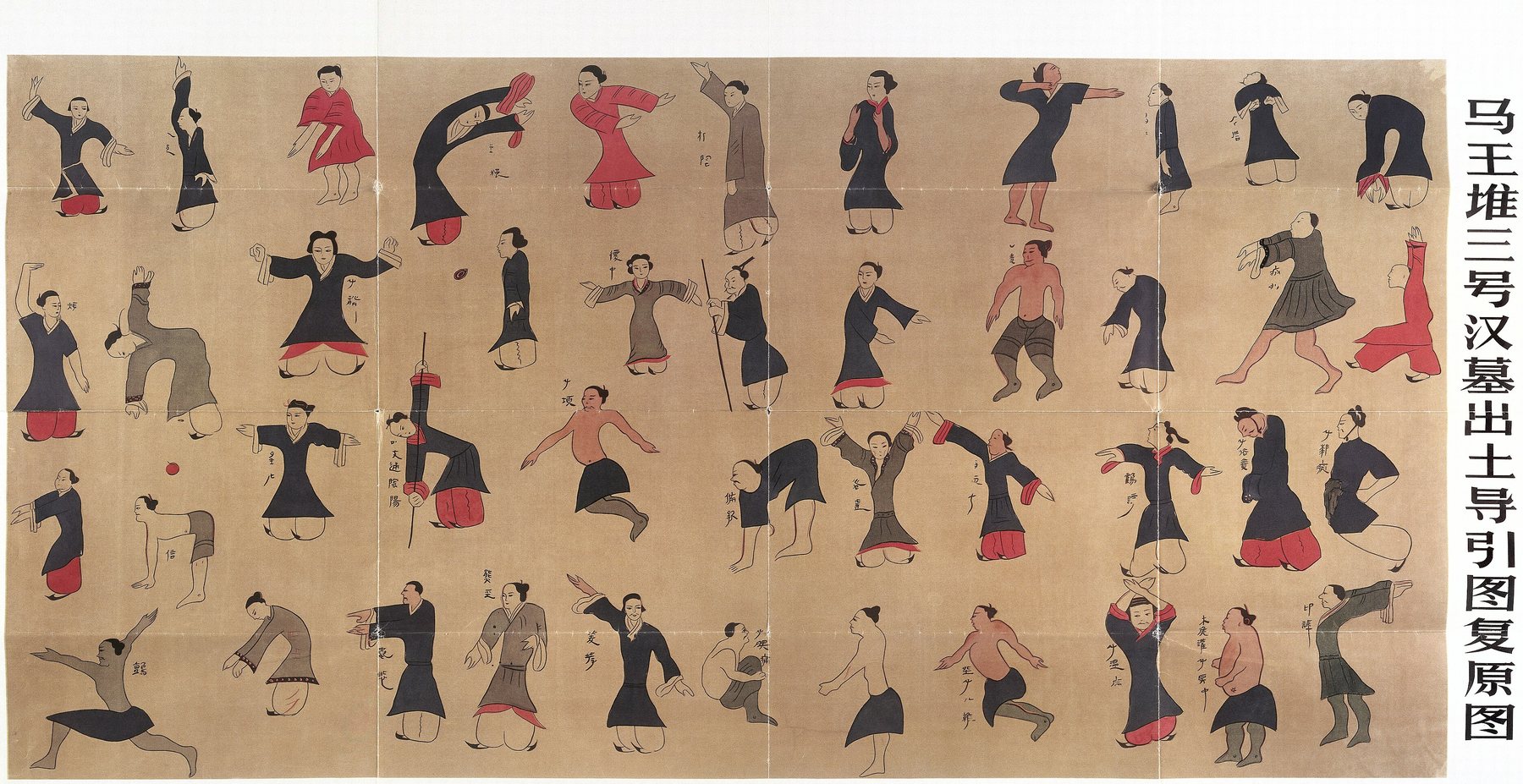
The Mawangdui daoyin chart: 44 postures, 31 captions
The silk daoyin chart excavated in 1973 from Mawangdui Tomb 3 near Changsha is 133 cm long and 51 cm wide: four registers of eleven figures — 44 postures, 31 of them captioned with the movement's name, the animal it imitates, or the ailment it addresses (for knee pain, for example). It is the earliest painted exercise chart known, and the three sets below all trace back to this line.
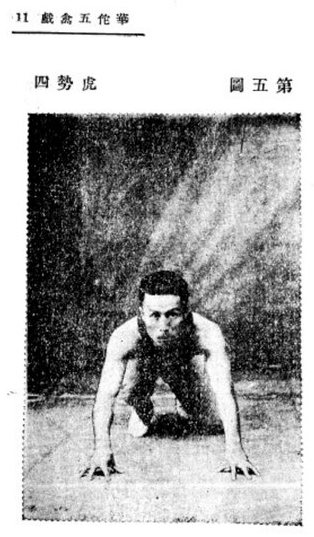
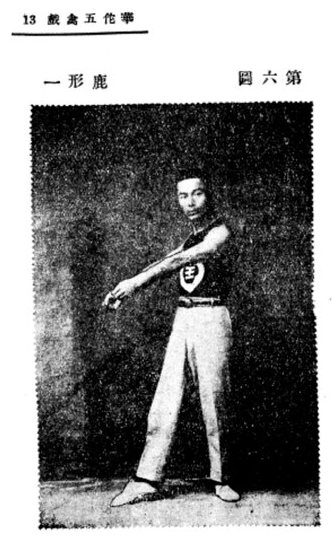
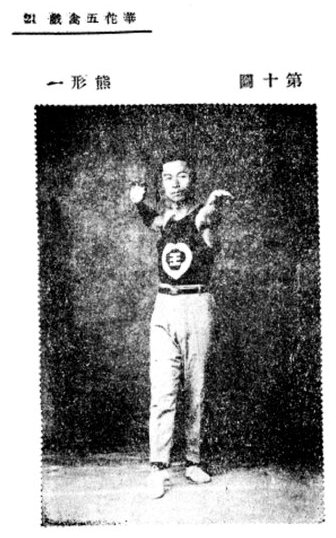
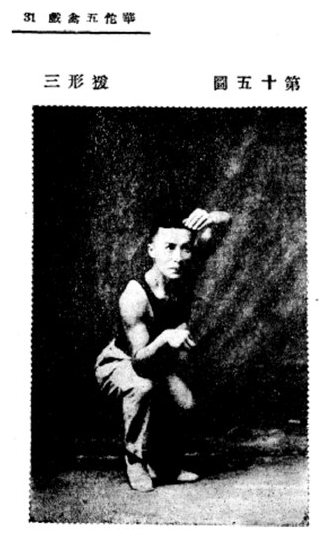
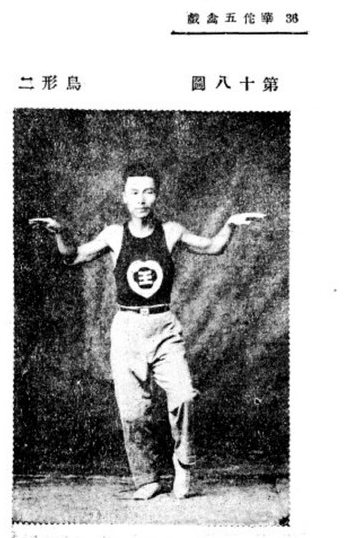
五禽戏 Wu Qin Xi
Mimic tiger, deer, bear, monkey and bird — one set, ten minutes. The point is not accuracy but moving every joint.
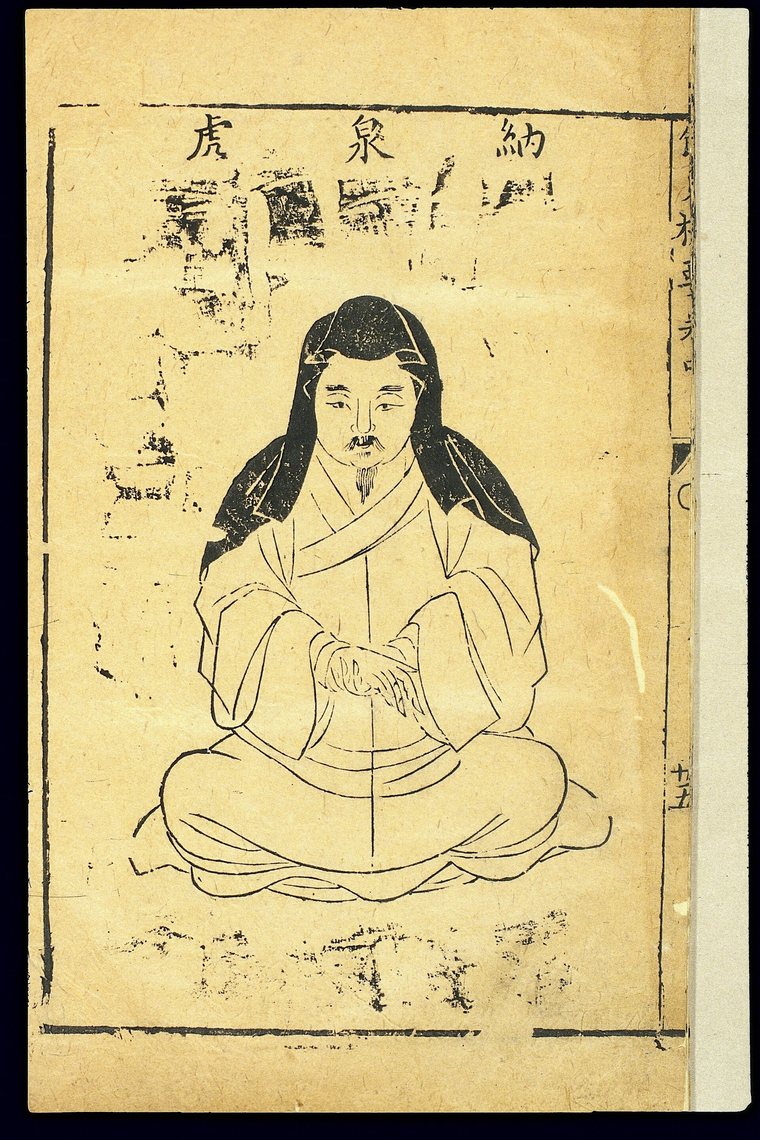
导引吐纳 Guided breathing
Inhale four counts, hold two, exhale six; twenty rounds. A longer exhale slows you down.
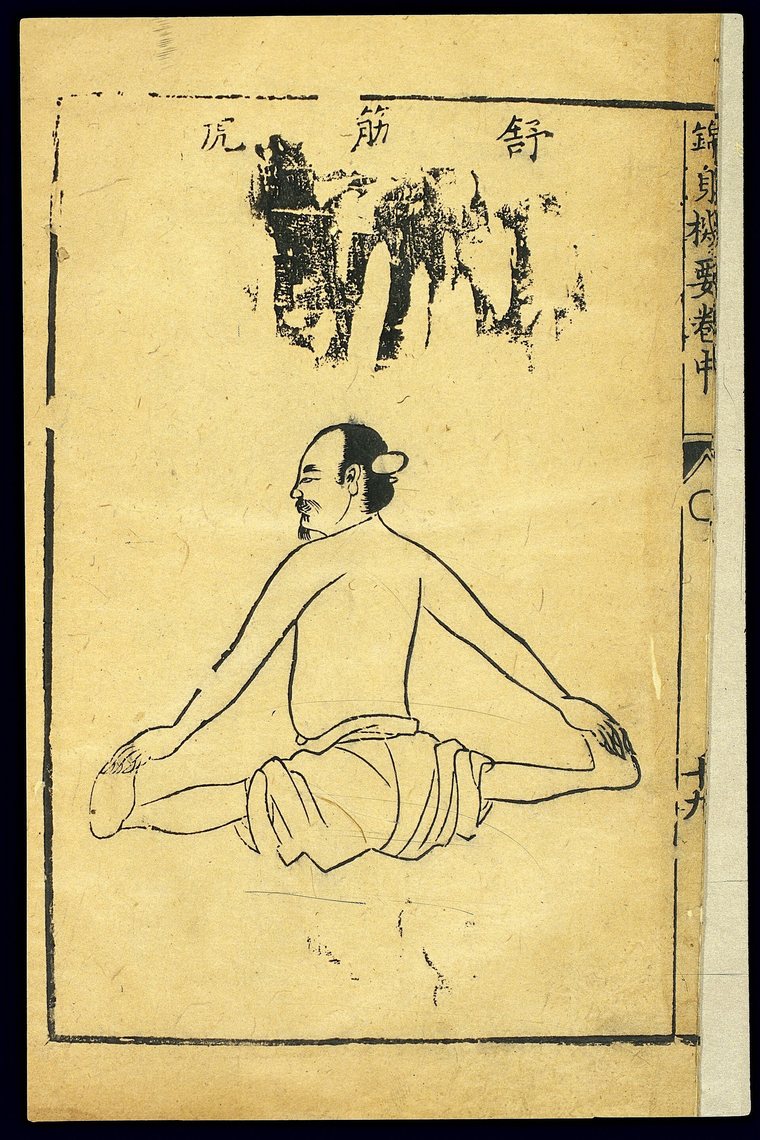
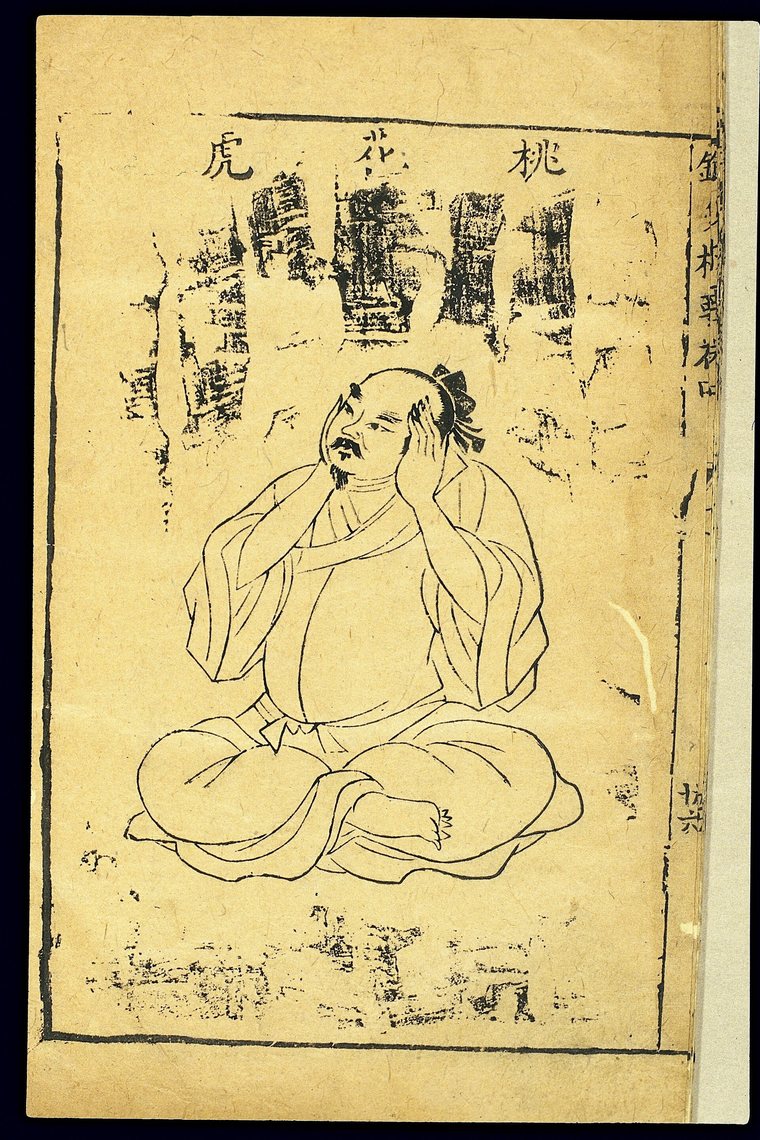
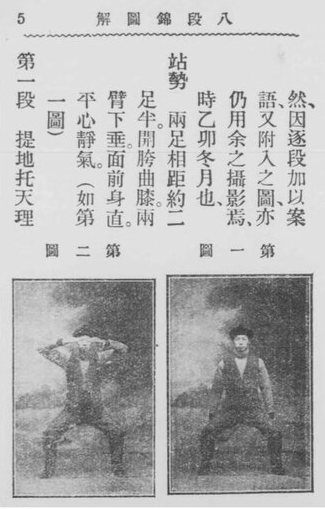
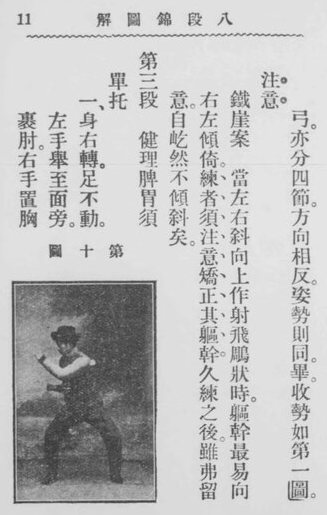
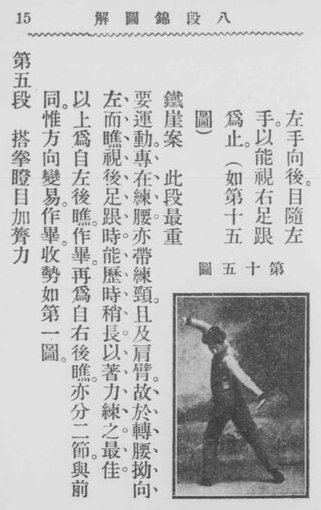
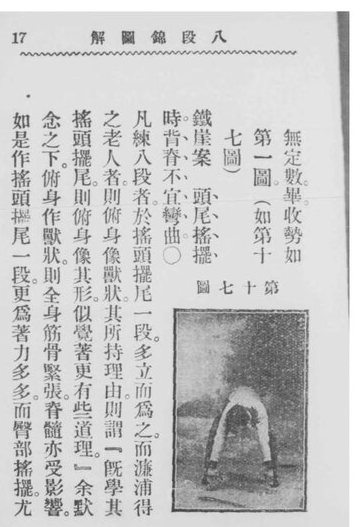
八段锦 Ba Duan Jin
Eight movements — raise both hands to open the triple burner, shake the head and tail to clear heart fire. Slow and wide.
子午觉 Midday and midnight sleep
Sleep before midnight, close your eyes twenty minutes at midday. It restores rhythm, not hours.
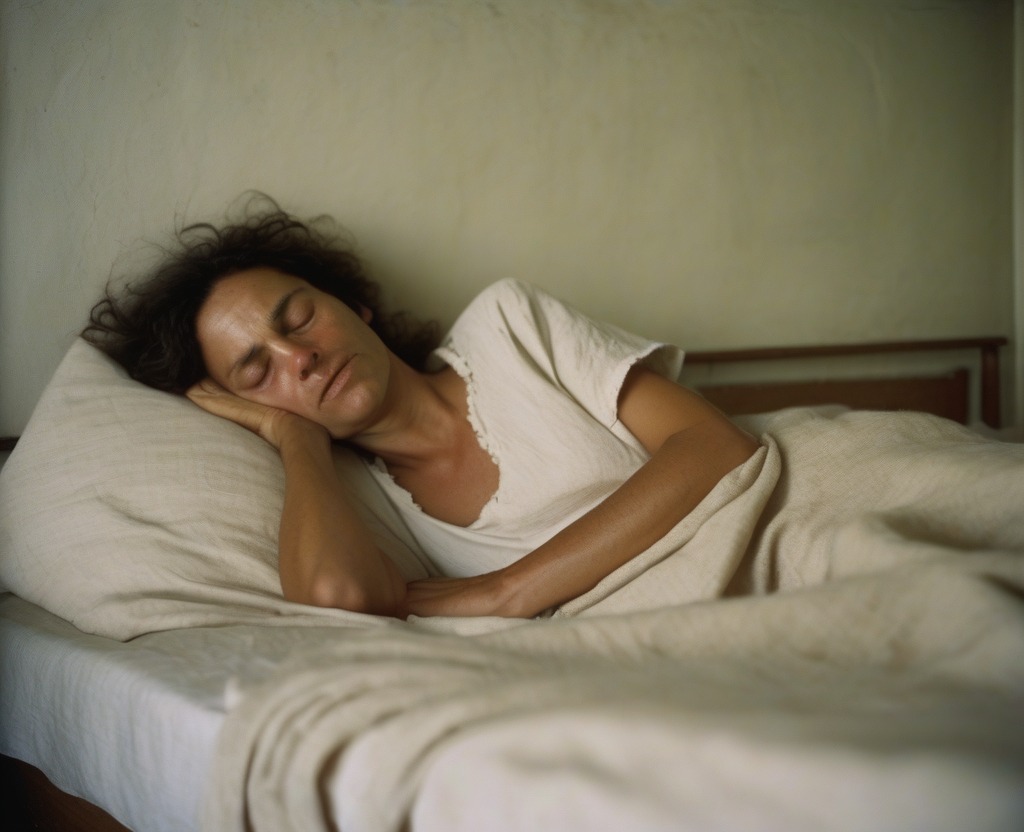
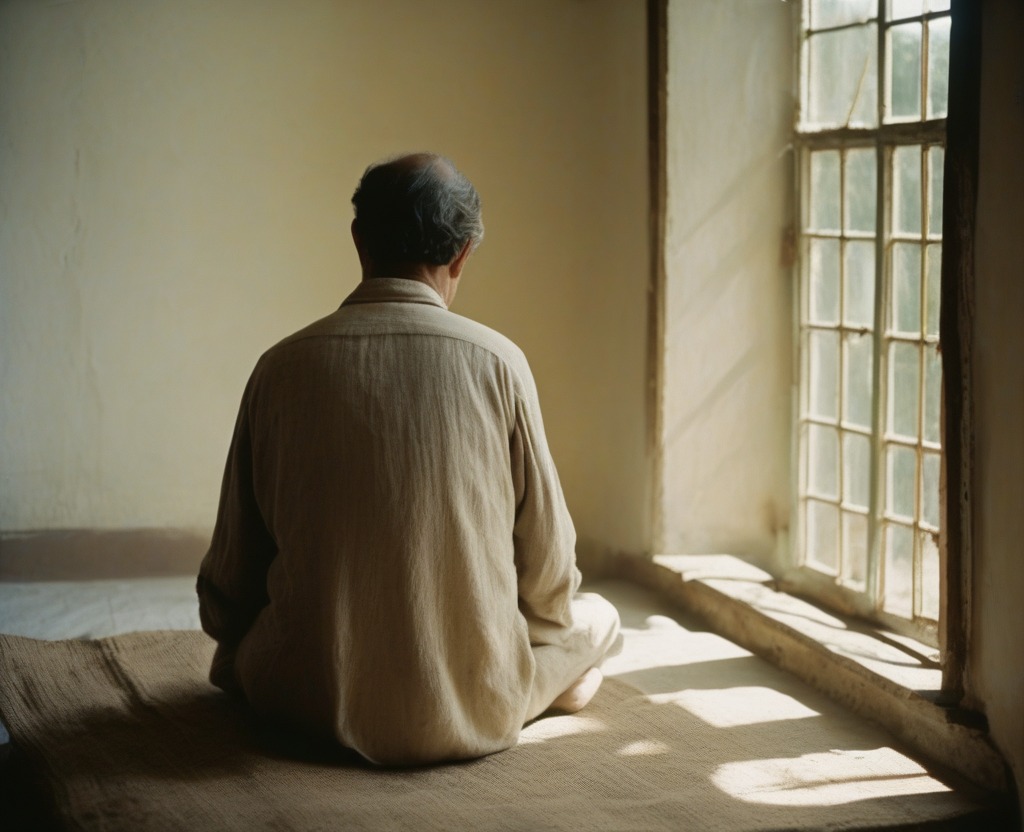
Sleep on your side before midnight, room dark and warm
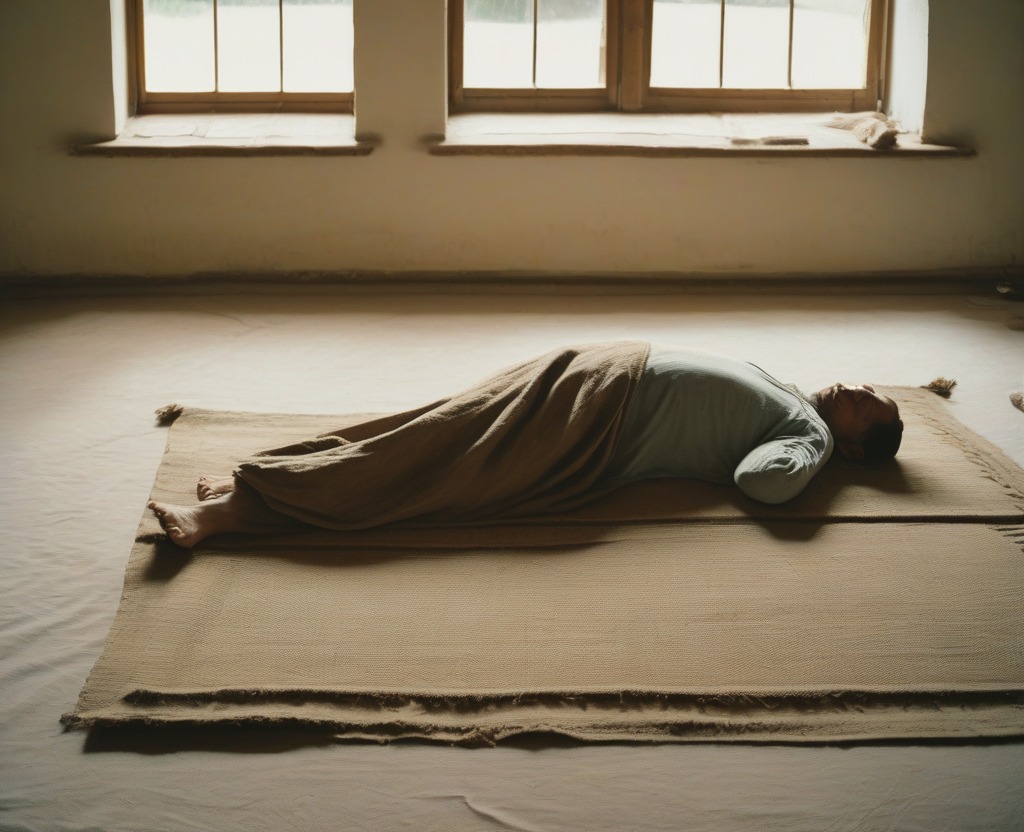
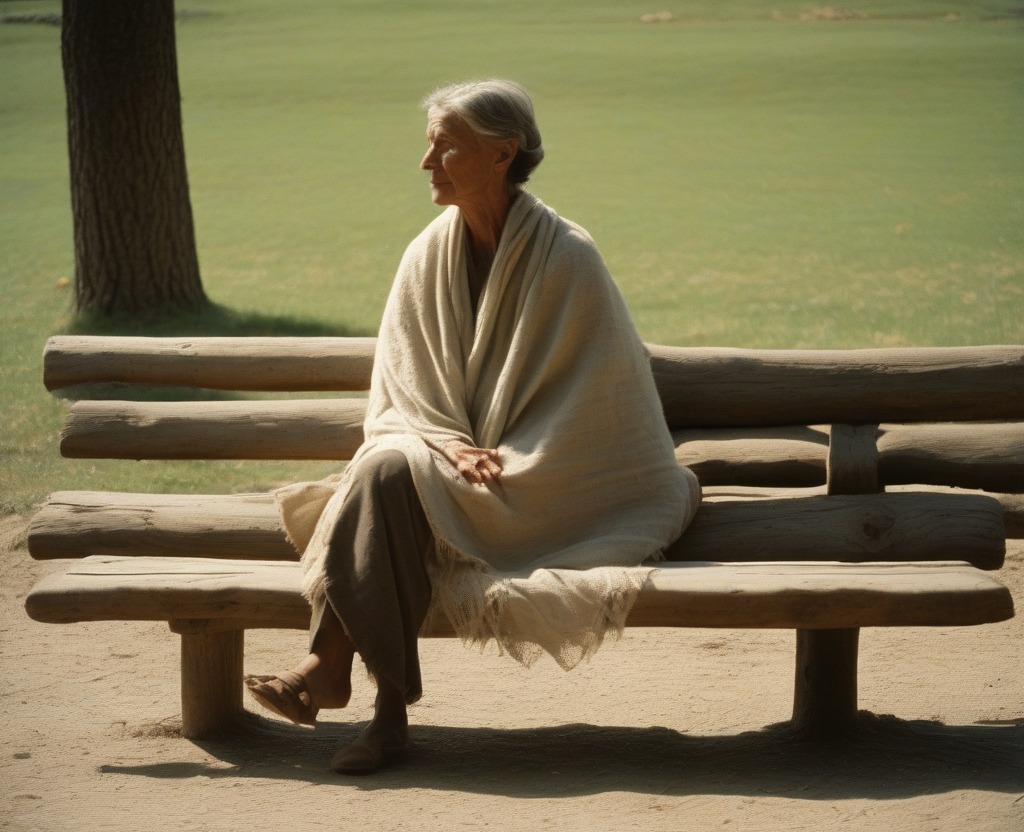
Lie flat for twenty minutes at midday
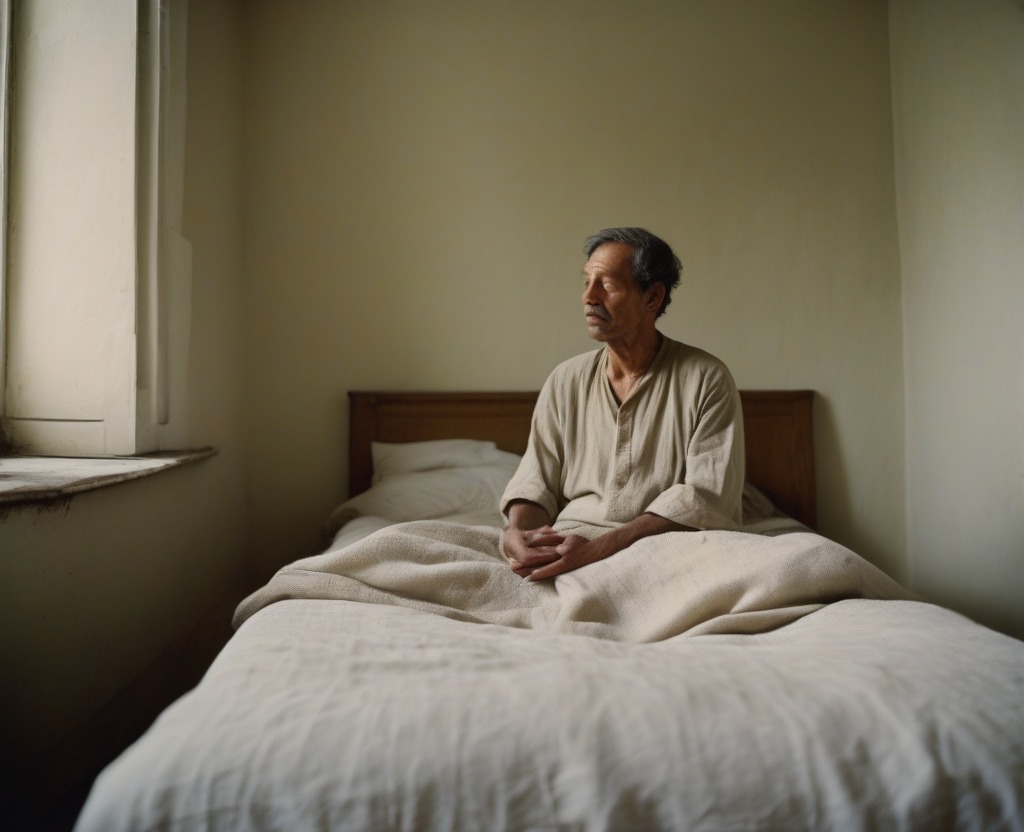
Sit up in the early morning, awake and rested
晒背 Sun on the back
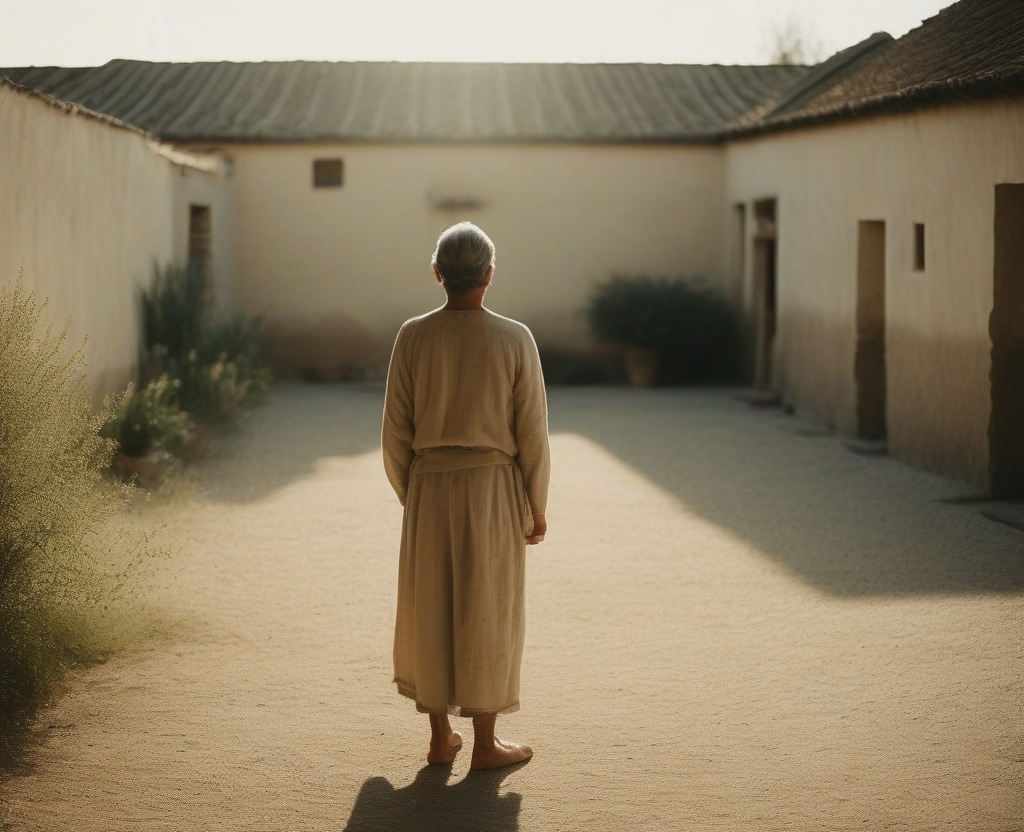
9–11am, back to the sun for fifteen minutes, clothing on is fine. Avoid the face and high noon.
饭后百步 A hundred steps
Ten slow minutes after a meal — no running, no breathlessness.
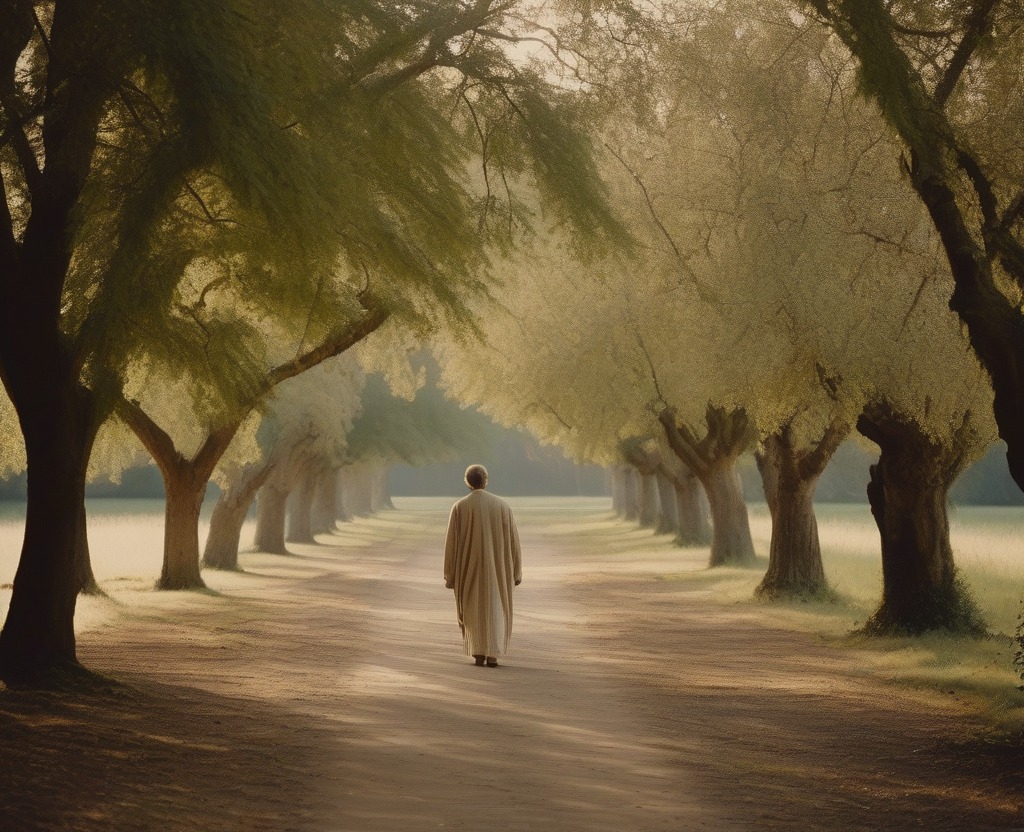
Walk slowly at dawn — no running, no breathlessness
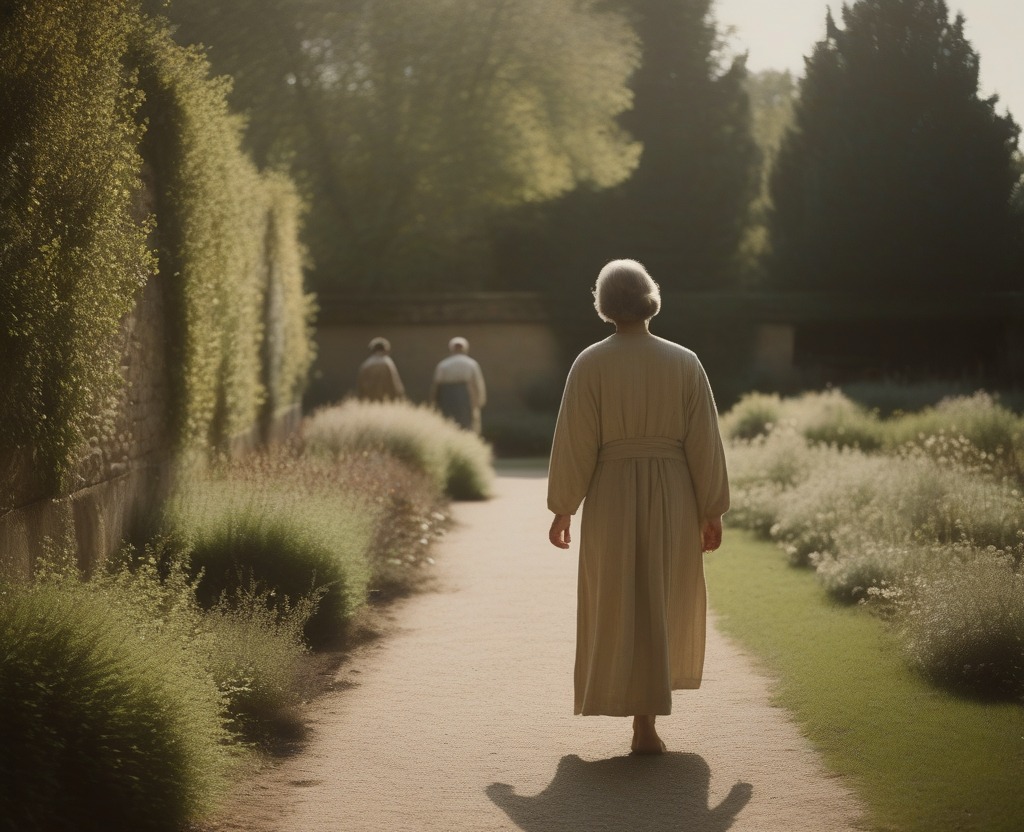
Stroll after meals, hands behind your back
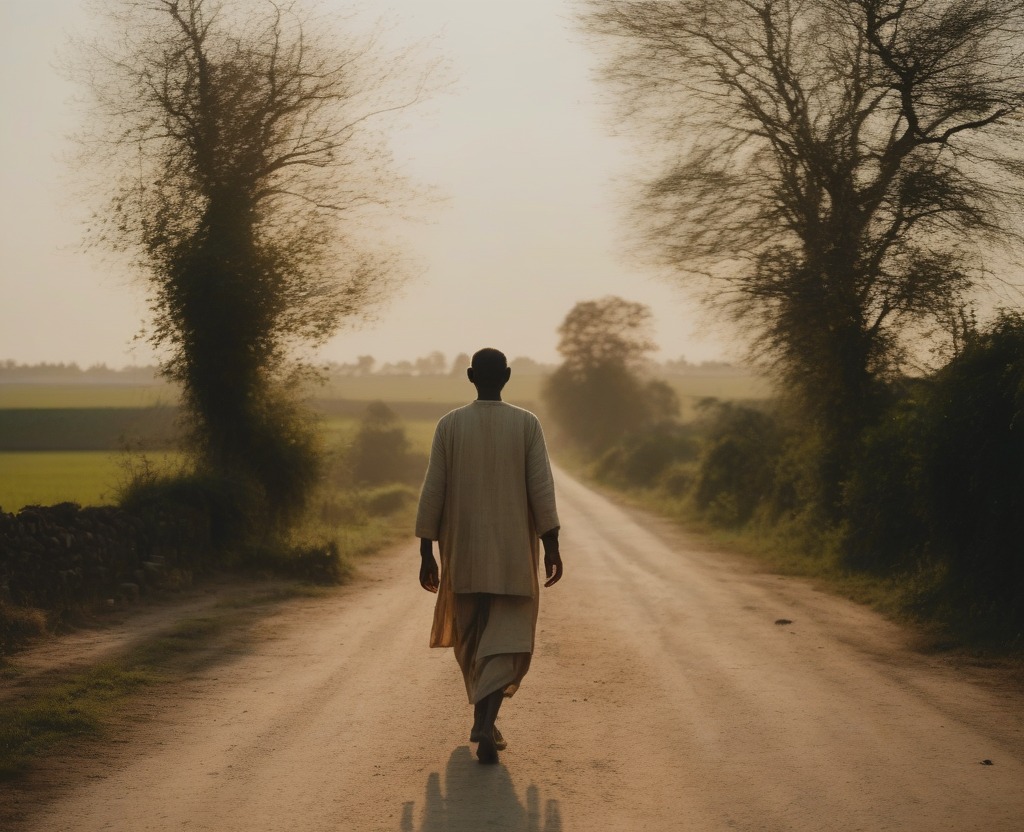
Walk at dusk, unhurried
Move first, then read your chart
Cultivation works the floor; the five elements read your lean. Do one, then read the other.